
 Deutsch
 English
State graduate research training program on hydrogen and its derivative, ammonia
Research platform at TEN.efzn
It is widely recognized that green hydrogen—that is, hydrogen produced via electrolysis using electricity generated from renewable energy sources—plays a crucial role in the decarbonization of our energy system.
But why, then, does the TEN.efzn platform—the State Graduate College “Hydrogen and hydrogen derivative ammonia”—focus on ammonia of all things, across all four innovation areas: synthesis, direct use, hydrogen recovery, and cross-cutting technologies? And: what exactly is ammonia?
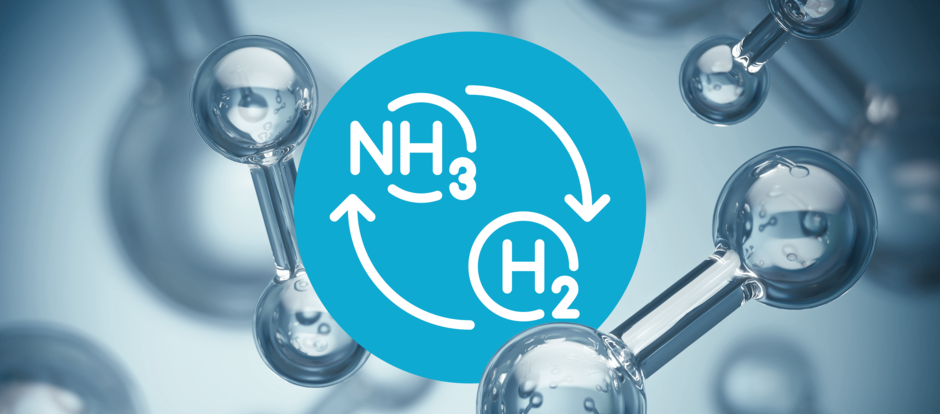
To cut to the chase: Ammonia is easier to store and transport than pure hydrogen. It also serves as a carrier medium from which hydrogen can be recovered.
“We decided to focus on hydrogen and its derivative, ammonia. The hydrogen economy has developed so rapidly in recent years that it’s simply not possible to provide all the necessary hydrogen supply capacity in Germany,” explains coordinator Prof. Dr.-Ing. Sabrina Zellmer of the Technical University of Braunschweig.
“That’s why we have to import hydrogen. And that’s much easier to do using derivatives. One of the best-known and most commonly used hydrogen derivatives is ammonia.”
What is ammonia?
Ammonia (NH3) is a derivative of hydrogen—more precisely, a chemical compound consisting of hydrogen and nitrogen. Ammonia is a colorless gas with a characteristic, pungent odor.
Ammonia is already used in numerous applications, which is why the necessary infrastructure and logistics are already in place. These can be utilized or expanded within the context of the hydrogen value chain.
In fertilizer production, ammonia is important as a nitrogen source; in the chemical industry, it serves as a raw material for many different chemical processes and materials, as well as a solvent. It is also used in the production of dyes.
For 150 years, ammonia has also been used as a refrigerant in cold storage facilities, breweries, and slaughterhouses, and later in large-scale refrigeration and industrial plants. Today, this environmentally friendly and natural refrigerant is used in particular for air conditioning in airports, office buildings, production facilities, and sports complexes.
Certain properties of ammonia mean that appropriate safety precautions must be followed when handling it.
For example, it is toxic; its vapors, in concentrated form, can cause eye and respiratory irritation and damage mucous membranes and the lungs. Ammonia is flammable and can form explosive mixtures with air. It is also highly soluble in water and very toxic to aquatic organisms. To prevent damage to groundwater, it is essential to prevent it from seeping into the soil.
“Ammonia has been produced in large quantities for more than 100 years using the classic Haber-Bosch process. Although it is handled, stored, and transported safely in the chemical industry, the involvement of additional stakeholders in other industrial sectors creates new challenges,” explains spokesperson Prof. Dr.-Ing. Thomas Turek of Clausthal University of Technology. “That is why the safe handling of ammonia is one of the key cross-cutting issues of our project.”
Ammonia has been produced in large quantities for more than 100 years using the classic Haber-Bosch process. Although it is handled, stored, and transported safely in the chemical industry, the involvement of additional stakeholders in other industrial sectors presents new challenges. Therefore, the safe handling of ammonia is one of the key cross-cutting issues of our project.
Ammonia in the service of the energy transition
Ammonia has particular potential as a fuel in the energy sector, for example in shipping. But it is also—and this is where it becomes especially interesting for the TEN.efzn researchers—a hydrogen derivative.
Ammonia has been in use for many decades and is traded in large quantities. The technologies for its storage and transport are therefore very well-established—including the corresponding technical regulations and safety standards.
Ammonia has a high energy density and can be liquefied at relatively low pressures starting at 7.5 bar or at temperatures below -33 °C. For this reason, it is typically transported in liquid form. This can be done in various ways: by truck on the road, by train, by ship, and via pipeline.
More than just a carrier for hydrogen
To make the energy system climate-neutral, the use of hydrogen produced from renewable electricity is indispensable. To meet this demand, imports from countries outside Europe are absolutely necessary. For long transport distances, especially by sea, a carrier medium for hydrogen is useful. Ammonia offers a higher volumetric energy density and lower cooling requirements than liquid hydrogen.
Furthermore, according to the Federal Environment Agency, its transport is associated with only minimal greenhouse gas emissions, and the conversion of existing infrastructure can be achieved with relatively little effort. Additional advantages: ammonia is carbon-free and can therefore be produced anywhere in the world without requiring an additional carbon source.
Ammonia can also be converted into hydrogen, on the one hand, or used directly as a fuel—for example, in fuel cells—on the other. With this so-called direct use, the energy-intensive recovery of hydrogen is eliminated. Ammonia can be used to meet residual electricity demand in a future energy system, as well as to replace fossil fuels. All pathways of ammonia use and conversion produce nitrogen and water, thereby closing global material cycles.
It is therefore important to consider the big picture and the internal interdependencies. For this reason, the research conducted by the State Graduate College “Hydrogen and hydrogen derivative ammonia” encompasses the entire value chain: from production through transport and storage, safety, and application, all the way to ecological and economic aspects.
Dr. Dana Schonvogel of the German Aerospace Center (DLR) – Institute of Technical Thermodynamics, says: “As a hydrogen derivative, ammonia offers a wide range of applications in the future energy system. In the State Graduate College, we examine the entire value chain—from production and transport through safe handling to utilization—and conduct interdisciplinary research into the technological, economic, and societal prerequisites still needed for a successful market ramp-up of the individual technologies.”
As a hydrogen derivative, ammonia offers a wide range of applications in the energy system of the future. In the State Graduate College, we examine the entire value chain—from production and transport through safe handling to utilization—and conduct interdisciplinary research into the technological, economic, and societal prerequisites still needed for the successful market ramp-up of the individual technologies.
Production
Ammonia is currently produced industrially primarily from natural gas (which consists mainly of methane) and air. According to the British Royal Society, global ammonia production from fossil fuels generates approximately 500 million metric tons of CO₂ annually—which is roughly equivalent to Germany’s annual CO₂ emissions and about 1.8 percent of global emissions. Consequently, transitioning ammonia production to a low-emission process is one of the major challenges in the fight against climate change.
Green ammonia is a climate-friendly alternative: the hydrogen (H₂) required is not derived from natural gas, but is produced via electrolysis of water. Water is split into oxygen (O₂) and hydrogen using electricity from renewable energy sources. This ensures the sustainable production of green ammonia.
The hydrogen produced then reacts with nitrogen (N₂) from the air in the so-called Haber-Bosch process to form ammonia (NH₃). In this process, hydrogen and nitrogen are converted into ammonia at temperatures between 400 and 450 °C and pressures ranging from 120 to 220 bar in the presence of an iron-based catalyst. According to the Federal Environment Agency, more than 90% of the ammonia produced worldwide in 2022 was manufactured using the Haber-Bosch process.
Research approach at TEN.efzn
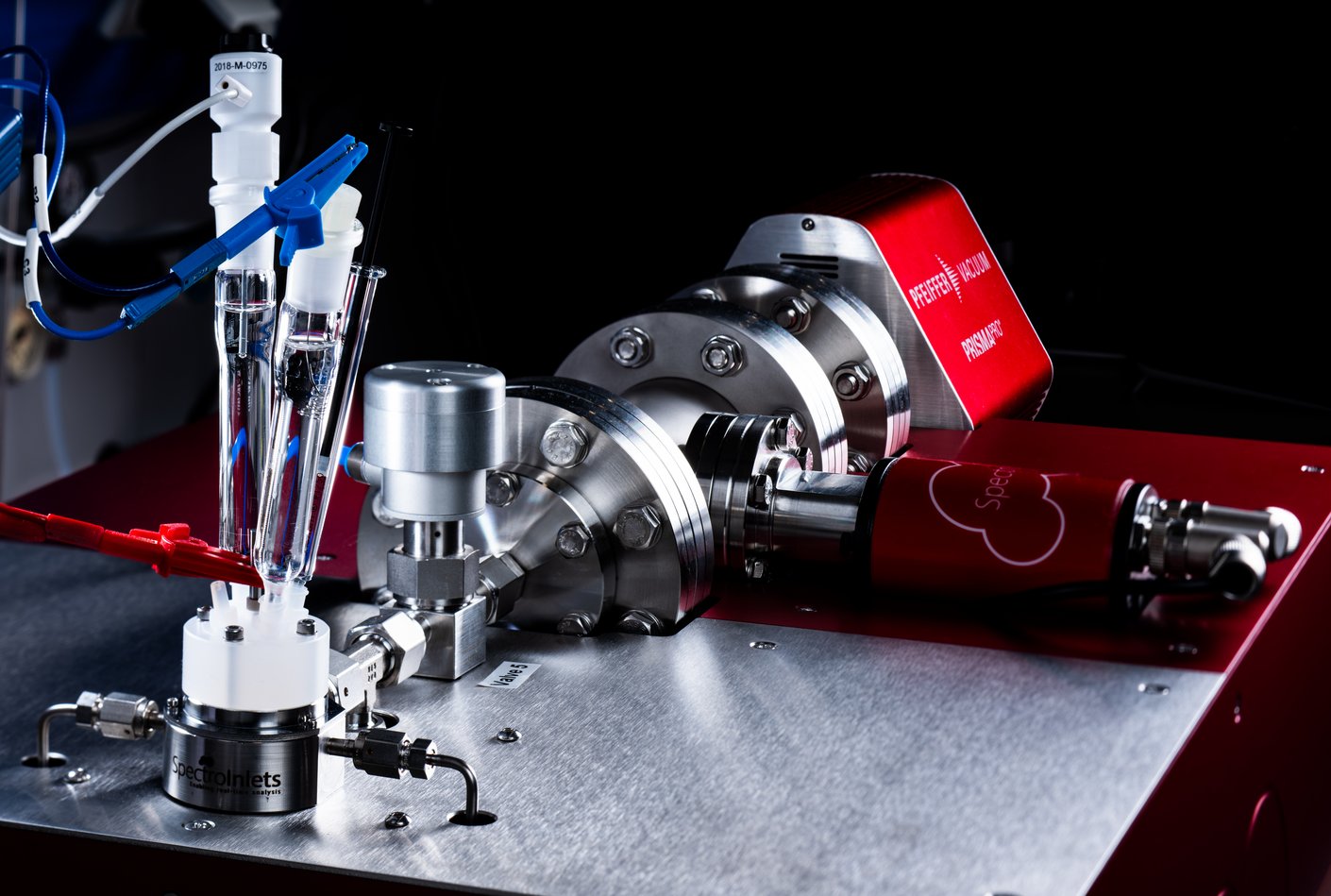
Although NH₃ synthesis using the classic Haber-Bosch process is technically largely mature, combining it with fluctuating renewable energy sources presents new challenges. At the same time, basic research is exploring the possibilities for the electrochemical synthesis of ammonia. Chemical-catalytic and electrochemical routes are also available for the direct use of ammonia as well as for the recovery of hydrogen from ammonia.
The State Graduate College within the TEN.efzn collaborative research program is therefore systematically analyzing the various options for the synthesis and diverse uses of NH3 and comparing them with one another.
Dana Schonvogel explains: “Electrochemical processes are considered particularly promising because they can be directly coupled with renewable electricity, thereby enabling flexible adaptation to energy availability. In the long term, such approaches could open up new, more decentralized ways to synthesize ammonia or to produce hydrogen from it for various applications under milder process conditions.”
In addition, spokesperson Prof. Dr. Mehtap Özaslan from the University of Hamburg says: “As part of the State Graduate College, we are training the next generation of researchers for future energy challenges, thereby strengthening Lower Saxony and Germany as research hubs. In the process, they gain insight into the various aspects through the innovation areas and build a bridge from the hydrogen-rich molecule ammonia to technology, applications, and society.”
As part of the State Graduate College, we train the next generation of researchers in future energy topics, thereby strengthening Lower Saxony and Germany as centers of innovation. In the process, they gain insight into the various aspects through the innovation areas and build a bridge from ammonia—a hydrogen-rich molecule—to technology, applications, and society.
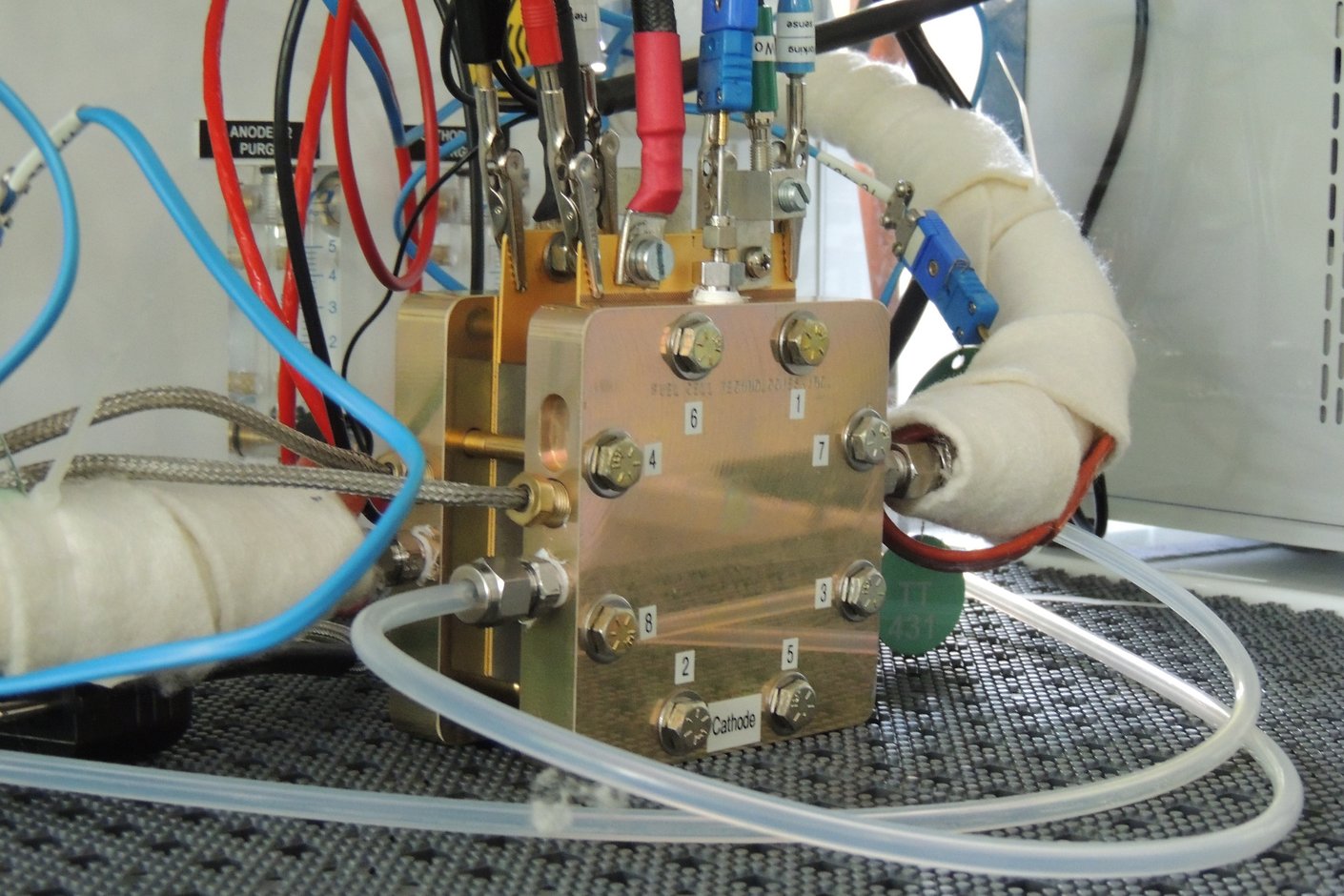
Innovation area I: Synthesis
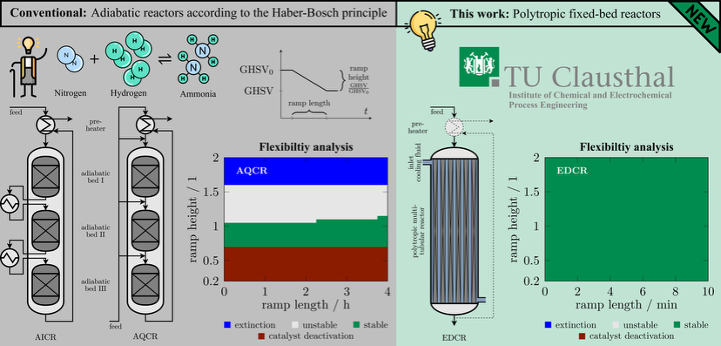
Innovation area I focuses on research into ammonia production using renewable energy: on the one hand, the synthesis process is being further developed in a novel catalytic reactor based on the Haber-Bosch process. In this context, particular attention must be paid to the dynamic reactor behavior resulting from the discontinuous operation of water electrolysis, for which conventional ammonia reactors are not suitable. On the other hand, research is being conducted on electrochemical synthesis using electrocatalysts, which have so far exhibited only low efficiency and contain critical raw materials. Novel catalysts with improved activity and selectivity are being developed.
Innovation area II: Direct utilization
Innovation area II investigates the direct utilization of the chemically bound energy of ammonia in various applications. Topics include the ignition and combustion properties of ammonia, as well as its direct use in fuel cells. Challenges in ammonia combustion arise from its poor ignition and combustion properties. However, these can be improved by adding hydrogen. An interesting question is whether the required hydrogen can be produced through the catalytic decomposition of ammonia, so that only ammonia needs to be carried as fuel.
Three subprojects focus on the direct use of ammonia-hydrogen-air mixtures. Alternatively, ammonia can also be used for power generation in low-temperature or high-temperature direct ammonia fuel cells, or for hydrogen recovery. Four subprojects are conducting research to improve the performance, efficiency, reliability, and service life of these energy conversion systems.
Innovation area III: Hydrogen recovery
This innovation area focuses on reforming, i.e., the complete or partial decomposition of ammonia into hydrogen and nitrogen. The resulting product mixture can be used flexibly, e.g., for combustion, in fuel cells, in steel production, or in the chemical industry. The focus in this innovation area is on catalytic reforming, while the electrochemical conversion of ammonia into its constituent elements—which is also a viable option—is addressed in Innovation area II: direct use. Research topics in this innovation area include the development of new catalyst materials, the determination of the reaction kinetics of decomposition, and the purification of the resulting product mixtures.
Innovation area IV: Cross-cutting technologies
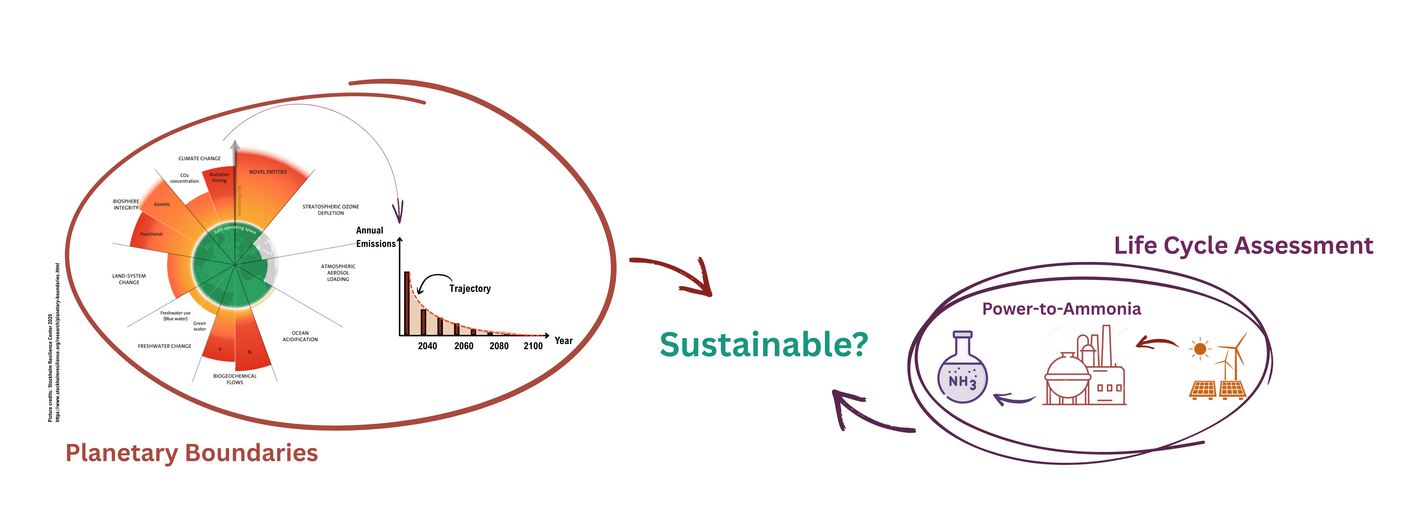
The goal in this innovation area is to assess the environmental and economic sustainability of ammonia production and use, as well as the economic viability of the various ammonia utilization pathways. To this end, the entire range of application pathways along the value chain—including storage and transport, as well as safety-related issues associated with handling ammonia—will be examined.
A continuous comparison between ammonia and other hydrogen derivatives and carriers (e.g., methanol, LOHC, methane, etc.) is also planned to clearly identify the specific advantages and disadvantages of ammonia for particular application areas.
This involves addressing the questions that become important once ammonia has been produced or made available: which transport and storage technologies are relevant? Which safety aspects must be taken into account? For what purposes can this ammonia ultimately be used in practice—both as ammonia and when converted back into hydrogen?
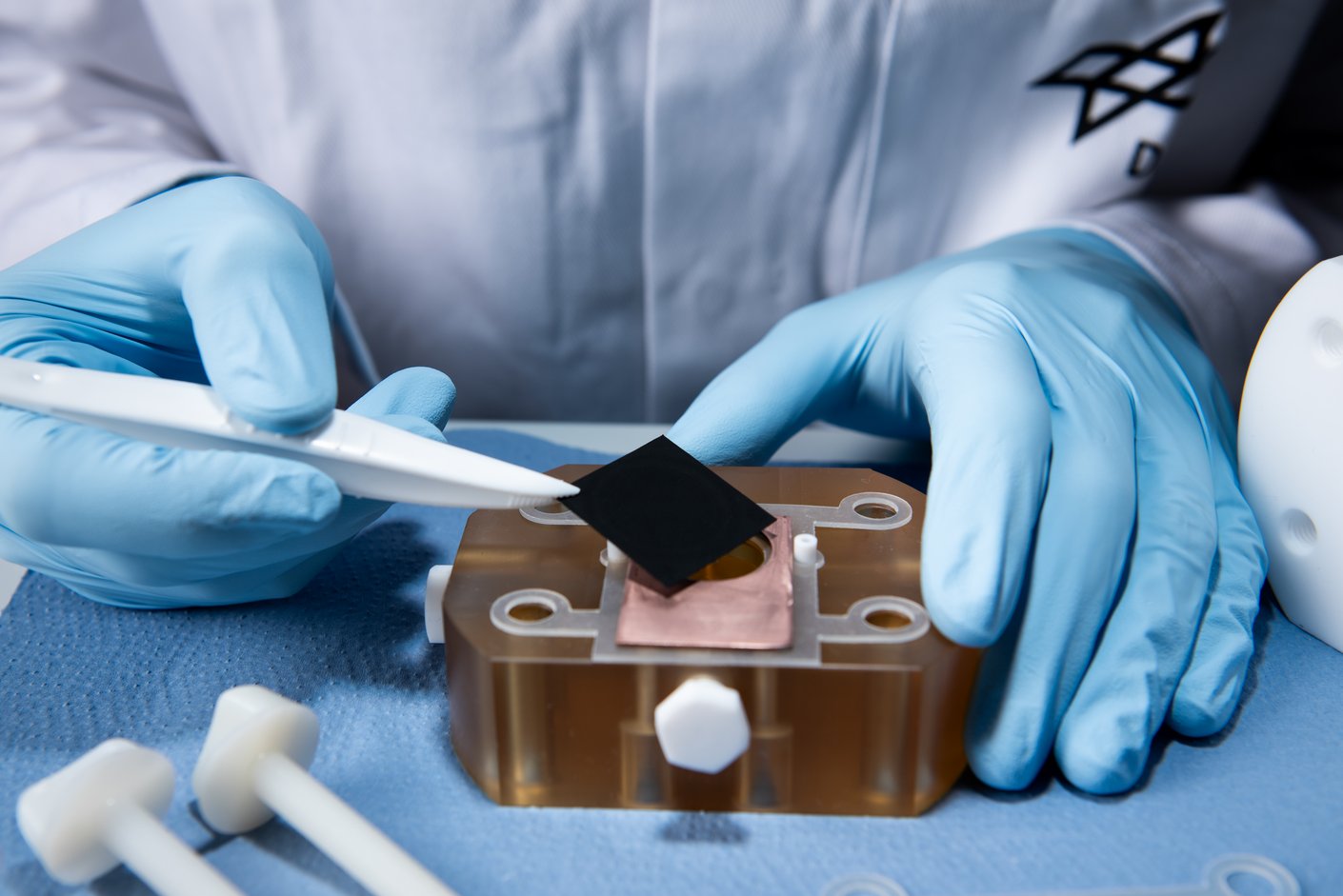
Holistic and interdisciplinary
Researchers examine and optimize all these different processes. But these technical and safety-related aspects are by no means the end of the story.
Economic and environmental considerations are also always taken into account: what impact does all of this have on the cost structure, as well as on carbon dioxide and other emissions that need to be reduced?
Innovation Area IV also involves interdisciplinary collaboration with the research platform “Social Dynamics of Energy Transformation.”
After all, once the topic of hydrogen enters the public spotlight in the course of concrete projects in specific regions, discussions and social dynamics inevitably arise. And these—particularly with regard to the areas of acceptance and equity—then form the relevant field of research for the social scientists at TEN.efzn.
State graduate college: sustainably trained specialists for the energy transition
The researchers studying hydrogen and its derivative, ammonia, are organized differently from those in other research platforms. And for good reason: With an eye toward the project’s sustainability and the need for skilled professionals in the field of hydrogen, this research platform addresses the important aspect of training.
In a graduate college, doctoral candidates conduct research together under the academic guidance of university faculty as part of a thematically focused, interdisciplinary, and time-limited research program. To thoroughly prepare the prospective doctoral candidates for their future careers in academia and industry, a structured training program is provided for them.
In the state-funded graduate college, early-career researchers earn not only their academic degree but also a special graduate certificate recognizing the additional qualifications they have acquired.
“We urgently need specialists in the fields that will address this topic in the future,” says coordinator Sabrina Zellmer: “And in our opinion, they need specific skills. They should acquire these skills through this Graduate College, because these competencies are not typically taught as part of the standard core curriculum at every university.”
We urgently need experts in the fields that will address this topic in the future. And, in our opinion, they need specific skills. They should acquire these skills through this graduate research training program, because these competencies are not typically taught as part of the standard core curriculum at every university.
How the training program works
That is why doctoral students in TEN.efzn participate in a separate continuing education program as part of their doctoral studies. This program is provided by the universities or by the researchers responsible for the respective subprojects.
16 subproject leaders – 16 doctoral positions: each of the principal investigators in the State Graduate College is assigned a research assistant who is also pursuing a doctorate through TEN.efzn. These early-career researchers are supervised by a tandem. Each doctoral candidate is supervised by their own doctoral advisor and another responsible researcher.
This dual supervision offers various advantages. On the one hand, it gives doctoral candidates an additional point of contact for further input. On the other hand, it promotes networking and exchange across the boundaries of the participating universities and research institutions. Particular attention was paid to this when forming the supervisory teams.
“What sets our State Graduate College apart is that we can take a holistic approach to these complex issues,” says spokesperson Prof. Dr.-Ing. Thomas Turek. “This was made possible by involving a total of 16 researchers—each supported by doctoral students—at various energy research sites in Lower Saxony. Together, we form a strong team for hydrogen and ammonia!”
Specialists in their own fields and beyond
Due to the complexity of the research project, the doctoral positions focus on a wide variety of topics. Regardless of these, there are topics that everyone needs to be familiar with. One example is safety considerations, which is why all doctoral candidates on the platform receive training in a safety laboratory at the PTB.
Even though the doctoral candidates focus specifically on ammonia, they should still possess a comprehensive foundation of knowledge in the field of hydrogen. Furthermore, the industrial use of hydrogen and the translation of fundamental knowledge into industrial applications—that is, technology transfer—are central topics, particularly because some of the doctoral candidates are expected to move into industry later on. That is why the advisors draw on their networks to enable young researchers to acquire relevant knowledge from industry partners.
Soft skills are also a focus, says the coordinator of the State Graduate College: “Here in Braunschweig, doctoral students are required to take four so-called soft-skills courses as part of their doctoral program—presentation techniques, project management, etc. And we’ve expanded on that a bit here because we believe that things like research data management, specific communication formats, and having organized a scientific conference or events yourself, etc., are skills that will actually come in quite handy later in one’s professional life.”
That’s why this training program also includes having doctoral candidates organize their own summer symposium, participate in a specific funding program, attend various lecture series, trainee programs, and expert workshops—and to organize the latter themselves with clients and industry partners so they can gain hands-on experience.
International cooperation is also promoted as part of the State Graduate College: Using project funds, doctoral candidates can conduct parts of their research abroad, which are then also accounted for within the project.
What sets our state-funded graduate research training program apart is our ability to take a holistic approach to these complex issues. This was made possible by involving a total of 16 researchers—each supported by doctoral students—at various energy research sites throughout Lower Saxony. Together, we form a strong team dedicated to hydrogen and ammonia.