
 Deutsch
 English
Social dynamics of the energy transition
Research platform at TEN.efzn
The energy transition is not only a technically challenging undertaking but also a profound social one. As a central social challenge, it is already having a major impact on our society—with far-reaching implications for the world of work, community life, and the future of our prosperity.
That is why the research platform Social dynamics of energy transformation examines both technological developments and social dynamics together.
Energy systems: a key infrastructure
The energy transition is a key component of society’s transformation toward a climate-friendly future. New technologies, as well as the social and political innovations that accompany the energy transition, can be quite beneficial for individuals: Solar panels on the roof of one’s home or a solar system on the balcony provide greater autonomy in electricity generation. Those who drive electric cars are independent of fluctuating oil prices, and those who get involved in a community energy cooperative can actively help shape the transformation of the energy system themselves.
On the other hand, the debate surrounding the Building Energy Act in 2023, for example, as well as the ongoing planning of new power lines and the construction of wind turbines, have consistently been sources of social controversy. Issues such as CO2 taxation and rising energy prices, as well as changes to the landscape, road traffic, and businesses, elicit not only enthusiasm and approval but also fears, rejection, and anger.
“The energy transition triggers a wide variety of social dynamics,” says Julia Zilles, coordinator of the research platform Social Dynamics of the Energy Transition. This is because there are diverse interactions between society and the energy transition. This is due to the fact that the topics of energy and energy infrastructure permeate every aspect of society: “As soon as people are directly affected, strong emotions can come into play,” says Zilles.
Prof. Dr. Paula Bögel sees the research platform’s work as offering solutions to these problems: “We want to better understand how meaningful participation can bring all stakeholders on board. Our vision is that the energy transition can have such a positive impact on society.”

The social impact of the energy transition: polarization, time pressure, participation, and equity
Although the abstract goal of climate neutrality is a societal concern and is politically enshrined, there are differing interests and perspectives regarding its implementation. The energy transition—which is considered crucial for creating more climate-friendly societies—has long since become a central topic in research on societal dynamics.
Although the majority of society has a positive attitude toward the energy transition, factors such as the need to change one’s own behavior, the perception that the sustainability transition is elitist and unfair, and populism, among other factors, mean that this expression of support is tied to specific conditions regarding the process and outcomes of the energy transition.
From an analytical perspective, the buzzword “energy transition” is merely a vague umbrella term for many, often intertwined, transition processes within sociotechnical systems: technological innovations are developed, disseminated, evaluated, and utilized by individual and collective actors. At the same time, these processes influence existing power structures and constellations of actors and can give rise to new dynamics, ideas, and norms.
Highly complex technological systems are interdependent, characterized by nonlinear development paths, feedback effects, and contentious negotiations, which further complicate the manageability of the energy transition. The integration of sectoral subsystems—for example, at the interfaces between electricity, heating, and mobility infrastructures—is a demanding challenge, as divergent institutional logics, path dependencies, and stakeholder interests inevitably create areas of tension. The implementation and distributional effects of these processes are further influenced by geographical and infrastructural differences.
In 2011, the energy transition was declared a collective effort. A far greater number and variety of stakeholders than had previously been involved in the energy system are to be able to participate. For example, new forms of (local) energy production and distribution (e.g., within the framework of decentralized neighborhood energy systems) are being tested, and alternative practices for energy use are being developed. Opportunities to secure public support are seen particularly in various formats of citizen participation.
However, little is known about where citizen participation can be meaningfully institutionalized in interaction with other actors, what framework conditions significantly shape it, and what dynamics arise from different forms of engagement—both for the actors themselves and for transition processes.
It is necessary to conduct an in-depth examination of the tensions within very diverse but closely interwoven contexts and to systematically document transition processes. A decidedly socio-technical perspective is both fruitful and analytically necessary. It sharpens our focus on various issues, all of which pertain to core themes of contemporary social science research. This not only allows for the systematic study of the co-evolution of society, the environment, and technology, but also enables a more informed examination of, for example, issues of justice, questions of the common good, and the implications of observed transition processes for the equality of living conditions.
With regard to issues of justice, the common good, and equitable living conditions, the transformation must, for example, do justice to local living and working conditions in order to build trust among people and gain acceptance. If this is achieved, the energy transition can be recognized as an asset to the common good: in the long term, decarbonization and the use of renewable energy ensure not only climate neutrality but also security of supply. Everyone benefits from this—including future generations.
Equity—with regard to social groups such as generations, but also in terms of fair processes and the recognition of legitimate needs—is therefore a major issue. Added to this is the pursuit of equality in living conditions (that is, tangible, everyday quality of life for all): the transformation must not lead to a further exacerbation of economic and social inequalities. Rather, the goal is to balance different social and economic interests.
“To address all these issues, we need a much more fundamental understanding of the underlying dynamics. Who makes decisions? How are these decisions legitimized? Where do participatory processes take place, and which of them work and which do not? In our platform, we therefore focus on the social forces of repulsion and attraction themselves, while also exploring their underlying foundations in detail,” explains spokesperson Prof. Dr. Jannika Mattes.
To address all these issues, we need a much more fundamental understanding of the underlying dynamics. Who makes decisions? How are these decisions legitimized? Where do participatory processes take place, and which of them work and which do not? In our platform, we therefore focus on the social forces of disengagement and cohesion themselves, while also exploring their underlying principles in detail.

Interdisciplinary and transdisciplinary collaboration helps identify social dynamics
A sound social science understanding of the energy transition requires a keen awareness not only of the relevant technologies but also of the social interactions involved. To grasp this complexity, researchers at the Social Dynamics of the Energy Transition research platform collaborate in an interdisciplinary and transdisciplinary manner with stakeholders from other fields—from the very beginning and on an equal footing.
Interdisciplinary collaboration means that different academic disciplines—such as psychology, geography, political science, economics, or engineering research—systematically integrate their perspectives. Each discipline contributes its own methods, terminology, and research interests, resulting in a more comprehensive understanding of social dynamics than would be possible within a single discipline.
Transdisciplinary collaboration goes one step further: it incorporates not only scientific perspectives but also practical, experiential knowledge and local expertise from stakeholders outside the academic world, such as municipalities, businesses, citizens’ initiatives, or energy cooperatives. This cooperation on an equal footing creates the opportunity to jointly explore societal issues while simultaneously developing concrete solutions.
This collaboration is particularly evident in concrete local projects: in urban neighborhoods, at industrial sites, and in rural areas. This is because the energy transition is being implemented locally, where highly specific social dynamics unfold directly: on the one hand, conflicts and social centrifugal forces arise that challenge social cohesion. On the other hand, transformative pioneering projects demonstrate how the energy transition can succeed at the local level and how it can foster social cohesion.
These observations are central to understanding how change becomes embedded in social contexts—and when it encounters resistance.
To this end, the research platform is structured into three areas of innovation that offer different yet intertwined perspectives on these processes:
Transition, participation, and collective action, as well as social centripetal and centrifugal forces.
Key research topics include issues of socioeconomic inequality, political and social centrifugal and cohesive forces, and the associated questions of participation and collective action. These topics are examined within the broader context of the energy transition as a whole.

What do the terms “transformation” and “transition” actually mean in socio-technical energy research?
The term transformation refers to long-term, far-reaching, and comprehensive changes in core societal structures, such as those brought about by the energy transition. Transformations are accompanied by disruptions and conflicts as well as shifts in the distribution of power and resources; they are therefore political in nature. Transitions are understood as dynamic processes of change characterized by complex interrelationships among technologies, institutions, and actors. In contrast to transformations, the term “transition” typically refers to more concrete, goal-oriented (yet still multifaceted) processes of change that are often closely linked to the development of specific technologies. However, in both academic debate and public discourse, the two terms are frequently used interchangeably.
The energy transition encompasses a fundamental process of change in the interplay of technologies, institutions, and actors in the context of our energy production and consumption. Restructuring is taking place in all sectors where the shift from fossil fuels and nuclear energy to renewable energy is intended—such as heating, electricity, and transportation. This gives rise to social dynamics that play out in very different ways across various sectors. Researchers are systematically examining these social dynamics across a range of technologies.
Two challenges are central to this: first, the transition process is accelerating rapidly in order to move closer to the goal of climate neutrality through the widespread expansion of renewable energy. Consequently, second, there is increasing interdependence between different technologies and systems (sector coupling).
The aim here is to
better understand the role of organizations—such as businesses, companies, associations, clubs, municipalities, etc.—in transition processes, as well as the significance of transition processes within various organizations,
examine the interactions between regional transitions, the technologies and infrastructure installed there, and regionally based organizations, and
analyze the interfaces between technologies in various configurations.
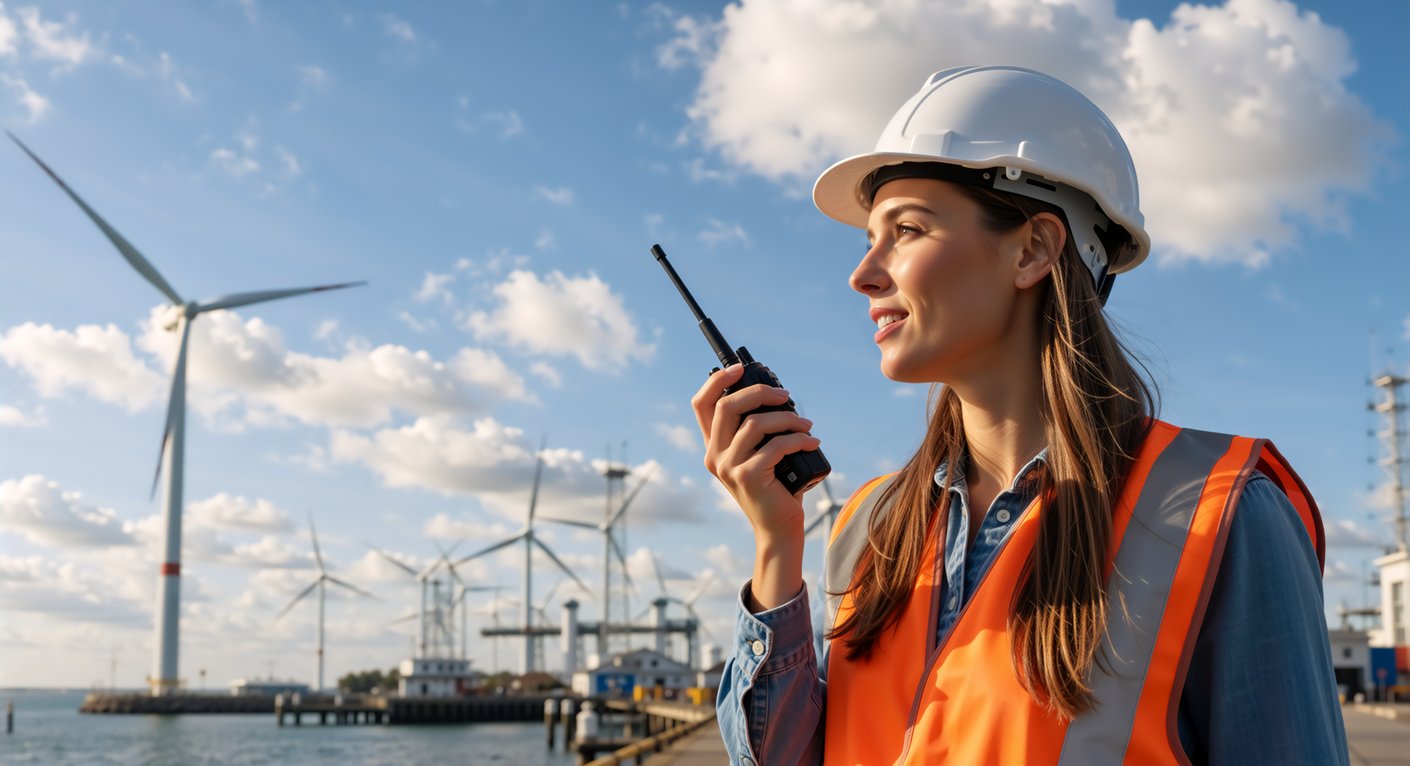
An example: One specific area of research is the expansion of wind farms off the coast. The massive expansion of offshore wind farms—primarily by large corporations—is bringing about profound changes in coastal regions. The transition dynamics that arise in this context are being analyzed in collaboration with the “Reallabor 70 GW Offshore Wind” research platform.
It is not only against this backdrop that researchers are examining changes within the participating organizations: What interactions arise from processes within the organizations and regional dynamics? How do organizations approach the implementation of energy transitions? Is societal change also reflected within the organization? Are new departments and roles emerging as a result? Are societal tasks being given a different priority?
Furthermore: what are the consequences when technologies—which were not developed with specific regional conditions in mind—are implemented in a particular region? What effect do adjustments to the wishes of individual stakeholders (e.g., adjusted shutdown times for wind turbines demanded by nature conservation organizations) have on regional integration and sector coupling?
The social shaping of technological interfaces in the context of sector coupling is also relevant when considering hydrogen and its role as a bridging technology between different areas of transition.
The central question is how this cross-sectoral function manifests itself in specific constellations of stakeholders as well as in (changing) societal expectations, rules, and values.
Social science energy research typically focuses on specific technologies (e.g., photovoltaics, wind energy) from selected thematic perspectives (acceptance, social justice, participation). A systematic comparison of social aspects specifically attributed to certain technologies (e.g., photovoltaics is well-suited for citizen participation in the energy transition, wind energy particularly often sparks protests), allows for the systematization of overarching social dynamics—that is, developments that can be observed independently of the specific technology under consideration (e.g., the earlier citizens are involved in planning processes, the less interest they have in the respective project). Of particular interest here are the (potential) roles of organizations in the transition processes analyzed.
“The energy transition can only succeed if we understand how different actors, technologies, and societal conditions interact,” explains Prof. Dr. Jannika Mattes. “Hydrogen is a good example of this,” says the head of the Transition innovation division. “On the one hand, hydrogen plays a central role as a bridge technology. On the other hand, in many areas it is still not at all clear where the hydrogen is supposed to come from, which players would need to collaborate, what strategic decisions they need to make—and what resistance there might also be,” Mattes points out. “After all, such transition processes are challenging for organizations: They must establish new partnerships, perhaps end or restructure old ones, and implement internal changes to make this happen,” explains Mattes.

The energy transition can only succeed if we understand how different stakeholders, technologies, and societal conditions interact. Hydrogen is a good example of this: on the one hand, hydrogen plays a central role as a bridge technology. On the other hand, in many areas it is still unclear where the hydrogen is supposed to come from, which players would need to collaborate, what strategic decisions they need to make to achieve this—and what resistance they might face.
Participation and collective action
Mitigating global warming and achieving the Paris Agreement climate goals require far-reaching changes in all key areas of the energy system, from electricity and heat generation to mobility and building use. But how can the established energy system be restructured in such a way that conflicts of identity and ideology (such as those arising from the closure of coal-mining regions), conflicts over information and interpretation (e.g., regarding the sustainability impact of technologies), and conflicts of interest (e.g., over financial burdens) do not lead to rejection but rather to constructive negotiation and shaping processes?
For the energy transition to succeed, it must be understood as a task for society as a whole, supported by the scientific community, the business sector, politics, and civil society. In this process, not only structures change, but also the identities and roles of the actors involved. In the energy transition, for example, citizens are increasingly shifting from being passive energy consumers to active co-creators: they establish energy cooperatives, organize collective action, and bring local perspectives into political decision-making processes. These new roles create opportunities for action and participation, but they also challenge existing governance models and structures of responsibility.
“The energy transformation is not merely an infrastructure project. It is also a social process that is reshaping our notions of collective action, participation, responsibility, and justice,” emphasizes Prof. Dr. Paula Bögel.
The researchers in the second innovation area of the Social Dynamics of the Energy Transition research platform are investigating where and how social participation is particularly effective in the energy transition—and where its limits lie. In other words, they are not only asking who is involved, but also how participation produces results. Through this, they aim to understand which conditions enable or hinder participation, what dynamics arise between actors, institutions, and systems, and how these give rise to sustainable forms of collective action in the long term.
“We’re interested in how participation becomes effective not just symbolically, but in practical terms—for citizens as well as for political and economic actors and our scientific system itself,” says Prof. Dr. Paula Bögel.
Social forces of repulsion and attraction
Even in everyday observations, it is clear that the energy transition is polarizing. This is because it brings with it changes in the world of work and daily life that lead to uncertainty, fears (of loss), and in some cases even massive protests. One example is the public criticism of the Building Energy Act and the resulting debate over the unequal distribution of risks and burdens within society.
These developments reflect what sociologists call “social centrifugal forces,” as they have negative effects on social cohesion during processes of transformation and symbolically cause society to drift apart. Their positive counterpart is “cohesive forces,” which can also come into play. Thus, in the course of the energy transition, these forces can be mobilized—particularly at the local level—to establish new alliances and diverse resources for cooperation: consider, for example, civil society initiatives, cooperatives, and cross-organizational alliances.
At the heart of research in this area of innovation is the examination of unequal relationships, developments in the world of work, and the role of institutions, such as the state. These issues are addressed in various contexts, not least at the local level. For it is precisely at the local level—in municipalities and regions—that forces of dispersion and cohesion take effect in the form of sociopolitical changes. This raises questions such as: Who is shaping the energy transition locally? How do local conflicts arise? Are new forms of cooperation emerging as a result of the energy transformation?
Study of specific projects
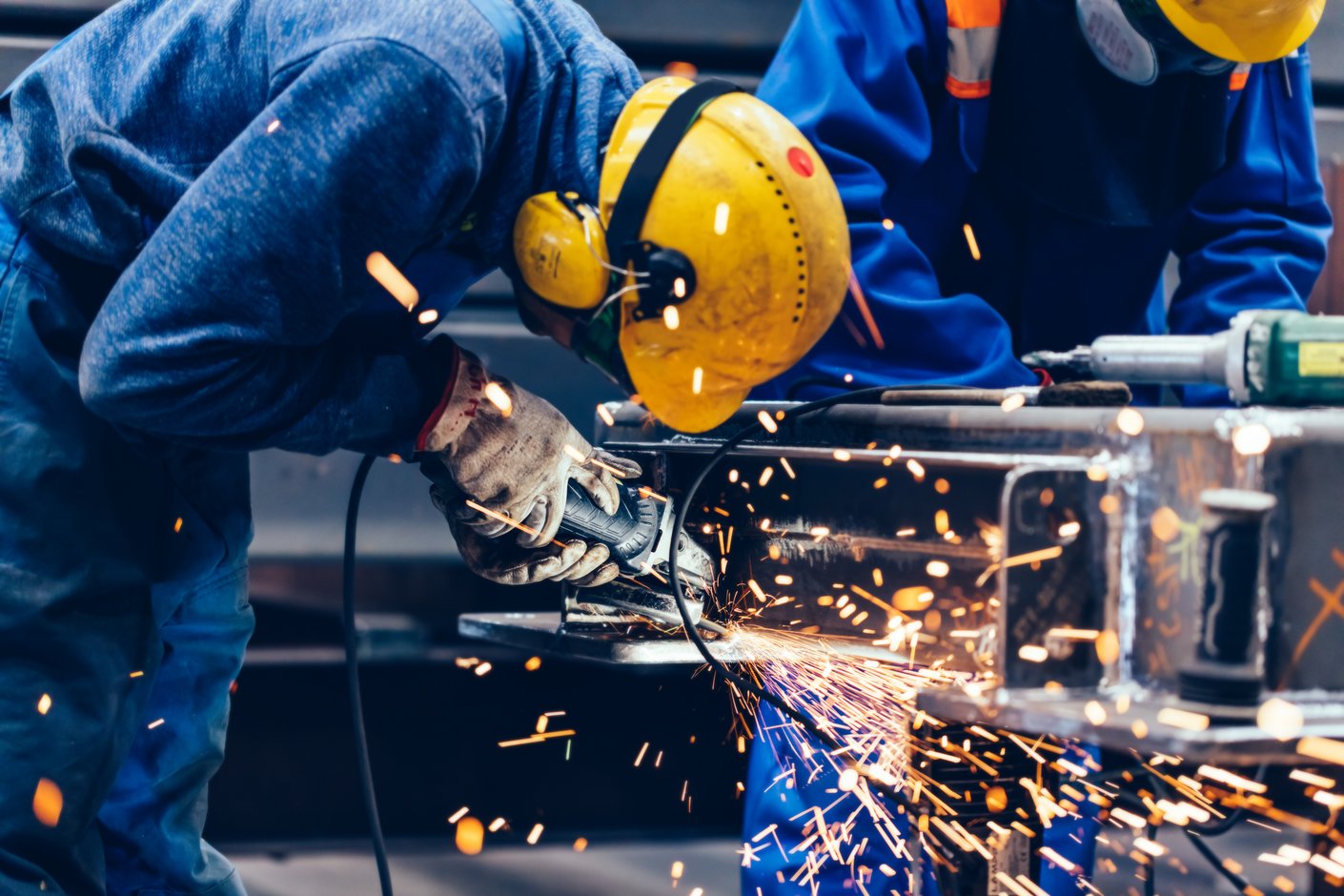
To this end, the researchers are developing individual case studies in the automotive and steel industries as well as in the skilled trades, with a focus on the socioeconomic transformation of work. The study examines the significance of new pathways to qualification—both in-house and external. On the one hand, the focus is on the importance of education beyond school for individual development in the context of the energy transition. On the other hand, the study examines the extent to which workforces are involved in key decisions.
In collaboration with the research platform “Trustworthy Digitalization of Safety-Critical Energy Systems,” the project aims to examine opportunities for citizen participation in the energy transition using the Helleheide Energy District in Oldenburg as a case study. The researchers are exploring how citizens are already actively contributing to the design of the energy system (e.g., through flexible electricity use or as members of an energy cooperative) and what new forms of participation might emerge in the future. The project also aims to determine under what conditions local actors and civic initiatives collaborate so that the energy transition becomes a shared priority and “social spaces” emerge that strengthen social cohesion.
Using geothermal projects in Lower Saxony as a case study, the social impacts of new technologies and land uses are being examined in close cooperation with the Geoenergy Systems research platform. What happens to the formation and expression of opinions on this topic at the local level? When do civic initiatives form in support of or in opposition to specific energy transition projects, and how are the positions and opinions expressed there incorporated into decision-making?
Does the technology itself even make a significant difference in these processes, or are other issues at stake here? For example, what role does the depth of geothermal drilling play in public perception, and what role do historical experiences with drilling play? In turn, how can technical development and planning address social issues at an early stage?
“The dynamics of the energy transition pose a major challenge to social cohesion. This concerns both issues of social justice and the institutional framework of democracy as a whole,” says Prof. Dr. Berthold Vogel.
Sustainability across TEN.efzn
In this research platform, as in the entire TEN.efzn project, expertise meets sustainability: Through their collaboration, the three locations in Oldenburg, Göttingen, and Vechta—which have years of experience in interdisciplinary research on energy transformation—are placing a special focus on early-career researchers.
It’s not just about creating an innovative and sustainable structure for interdisciplinary energy transition research in Lower Saxony and beyond. It’s also about making interdisciplinary research a part of everyday life for early-career researchers, with support from the research project’s scientific directors and experienced postdoctoral researchers.
Only in this way will it be possible to firmly establish interdisciplinary energy research for the long term and thus achieve a sustainable impact beyond the duration of TEN.efzn.