
 Deutsch
 English
Trustworthy digitalization of safety-critical energy systems
Research platform at TEN.efzn
What does digitalization have to do with the energy transition? Quite a lot. The researchers at the TEN.efzn research platform Trustworthy digitalization of safety-critical energy systems are convinced of this.
“The energy transition in Germany is a huge issue,” says coordinator Dr.-Ing. Sven Rosinger. “And digitalization touches on many, many facets of this issue.” It has already become an integral part of society. And that’s why it affects everyone—not just researchers, experts, and tech enthusiasts.

Prof. Dr. rer. nat. Sebastian Lehnhoff, a member of the research platform’s spokesperson team, explains: “Digitalization is the backbone of many innovations in the energy system. It not only enables the integration of new, more efficient technologies into existing grids, but also their intelligent control and monitoring. At the same time, it lays the foundation for the active involvement of users—that is, the people who own and use these technologies and thereby help shape the energy transition at the local level.”
Photovoltaics, heat pumps, and more: the energy transition and technology
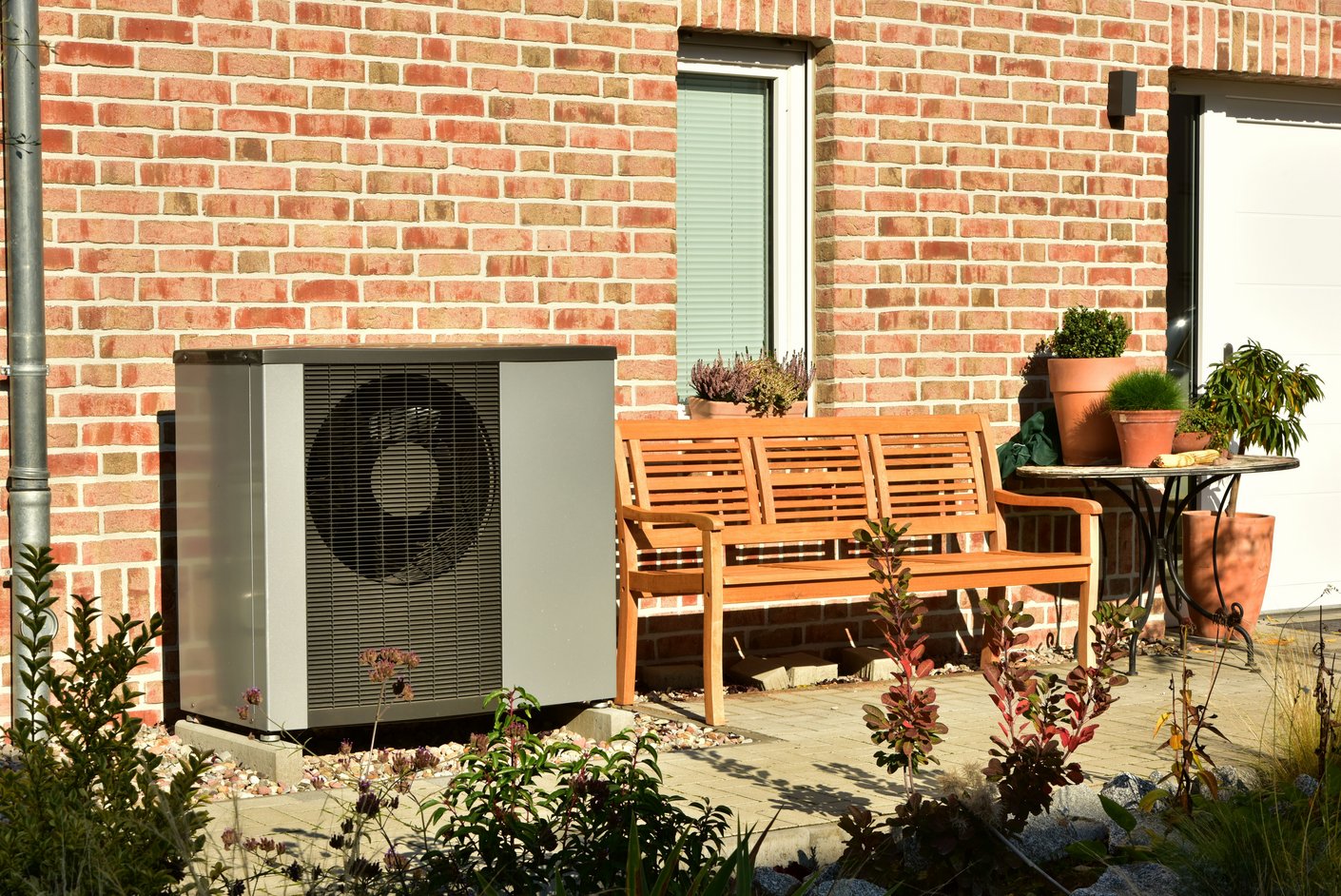
After all, rooftop PV systems and plug-in solar panels on balconies are no longer rare sights. Instead, like heat pumps, they’ve become a natural part of the landscape in cities and towns. Wallboxes in the garage or under the carport ensure that electric cars can be conveniently charged at home—ideally with self-generated electricity. And to make the best possible use of that electricity, there may already be a private energy storage system in place.
Anyone who has invested so much planning and money in their private energy system naturally wants to operate it as effectively and profitably as possible. Generation and consumption should therefore be coordinated as well as possible—around the clock. This is a complex task that could easily take up an entire day and requires consideration of numerous factors.
Feed it into the grid or use it myself? What will the weather be like tomorrow, and how much output can I expect from my system? Will that be enough to meet my needs? When is the best time to run the washing machine, charge the car, or fill the battery storage system? When is the electricity I have to draw from the grid the cheapest?
Dynamic electricity rates and dynamic grid fees offer a great deal of flexibility, but with rates changing every quarter-hour, they’re also harder to keep track of—not to mention potential upcoming regulatory changes, such as those related to energy sharing.
Even for people who are deeply familiar with the subject, it takes a great deal of effort to constantly keep track of all these factors. Even though some aspects could certainly be managed through conscious behavior, the average person is likely to need support.
Digital energy management ensures transparency and efficiency within the system
This is where digitalization comes into play. It makes it possible to coordinate all the devices that generate and consume energy through a trustworthy, self-organizing energy management system. The goal of the research platform “Trustworthy Digitalization of Safety-Critical Energy Systems” is to develop a prototype of such an energy management platform—one that can be used not only in individual households, but also in neighborhoods and far beyond. The path to achieving this is as innovative as it is interdisciplinary: technical and natural science-based energy research intersects here with social science-based transformation research.
Such an energy management system contains many digital agents. Each of these specialized software applications monitors only a small part of the system: one agent monitors the PV system, incorporating external data such as weather forecasts. The next one is responsible for operating the heat pump and controls it based on the house’s heating needs, and so on. Each of these agents focuses solely on its specific area and has its own interests. This can certainly create potential for conflict within the system.
Digital energy management therefore has more than just the task of facilitating communication between the individual agents. It should also ensure that they collectively make the best possible decisions for the system owner. Furthermore, these decisions should be transparent, open to scrutiny, and traceable. So, quite specifically, it’s also a matter of trust. Without it, delegating control over individual decisions to automated technology is simply inconceivable.
“Software agents are capable not only of automating these processes but also of reflecting the individual preferences and even the values of private individuals,” says co-spokesperson Prof. Dr.-Ing. Astrid Nieße: “They therefore represent a real game-changer when it comes to trust: If I can rely on being represented in an automated energy management system in a way that reflects all my preferences, I’ll let the system handle it—and in doing so, I’ll also enable the system to unlock entirely new potential for flexibility in neighborhoods.”

Trust in digitalization is the foundation for the energy transition
The researchers are convinced that trust is one of the fundamental prerequisites for the success of the energy transition. And trust in digitalization plays a crucial role in this—especially where its significance extends beyond the individual household: in the neighborhood and far beyond. The key concept here is grid-friendliness.
While in the microcosm of a single household, the focus is primarily on striking a balance that is as beneficial as possible for the environment and one’s own ecological footprint—as well as for one’s own wallet—the power grid must simultaneously be as stable, reliable, and efficient as possible for all stakeholders. This is true even when numerous consumers need electricity or want to feed it into the grid at the same time.
A current example of this is PV generation around noon. Anyone with a storage system typically operates it as follows: if the storage system isn’t full but electricity is being produced that can’t be consumed immediately, the storage system is charged. But this leads to massive problems for grid operators. Because if all storage systems in Germany are full at 11 a.m., the surplus from all systems floods the grid at the same time—and the grid operators no longer know what to do with it.
Yet this wouldn’t be a problem at all if this storage operation strategy were staggered over time. In other words, if the surplus were still fed into the grid in the morning and the storage system weren’t charged until 10 or 11 a.m. However, this conflicts with individual interests: after all, a rain shower could come at noon, preventing one’s own storage unit from being fully charged that day.
Intelligent systems make decisions automatically
So what makes sense on a small scale isn’t necessarily good for the bigger picture. On the contrary. The task of an energy management system is to make a decision that is as beneficial as possible for everyone. This may also mean that, with the common good in mind, an agent decides not to start charging its own storage unit at 9 a.m. on a sunny day.
A decision made by the energy management system to benefit the grid may therefore turn out quite differently for the individual than he or she would have liked. This makes transparency and traceability all the more important, especially when it comes to such decisions. Only when these factors are in place will people be willing to accept this digitalization as truly trustworthy. And that, in turn, is a prerequisite for them to actively participate in the energy transition—for example, by investing in the relevant technologies.

What is trust? Research from an interdisciplinary perspective
In addition to trustworthy digitalization, what is needed above all is trust in digitalization. But how can this be achieved? What defines trust? Are there measurable parameters for it? Metrics that can be integrated into an intelligent, automated energy management system? How can these parameters be taken into account early in the development process of such a system, which—as the energy transition progresses—must meet significantly higher standards than its predecessors?
These questions go far beyond a purely technical understanding of trust in terms of reliability, observability, availability, and explainability. It is also necessary to clarify issues of acceptance, motivation, reservations, and similar concerns; to determine what social dynamics arise, how they play out, and how decentralized actors can be optimally integrated. These, however, are clearly social science questions.
Interdisciplinary research is therefore being conducted to merge technical and social trust into a trust model that forms the foundation for the development of the trustworthy, self-organizing energy management system. Incidentally, this approach—which looks beyond the boundaries of one’s own highly specialized and equally competent field—is what distinguishes the entire TEN.efzn research program. In addition to technical, sociological, and psychological questions, this specialized research platform also addresses business and legal aspects.
According to Sebastian Lehnhoff, this is indispensable: “The close integration of various disciplines is essential for us—only by considering technology, society, economics, and law together can we develop a trust model that is truly sustainable. Our goal is not only to derive theoretical insights from this, but also to lay a foundation upon which the technical operational concepts and digital energy management systems of the future can be built. This systemic approach is unique in energy research to date and opens up entirely new perspectives.”
The approach: involving neighborhood residents in the development process—from the very beginning
To get as close as possible to citizens in their search for the conditions that foster social trust and to engage in dialogue with them, the participating social scientists go into a real residential neighborhood. Field research meets participation. The goal is to bring people on board and involve them in the development process from the very beginning through local campaigns and events.
This approach is as unusual as it is promising. After all, trust cannot be created; it develops over time. Ultimately, while framework conditions and transparency can be established, trust must emerge organically.
In addition to identifying the dynamics among stakeholders in a neighborhood’s energy system and assessing the needs of tenants, housing associations, and energy companies, the project also specifically aims to make the digital processes of the energy transition transparent—and thereby create space for trust.
The Helleheide real-world laboratory: a site for social science analysis
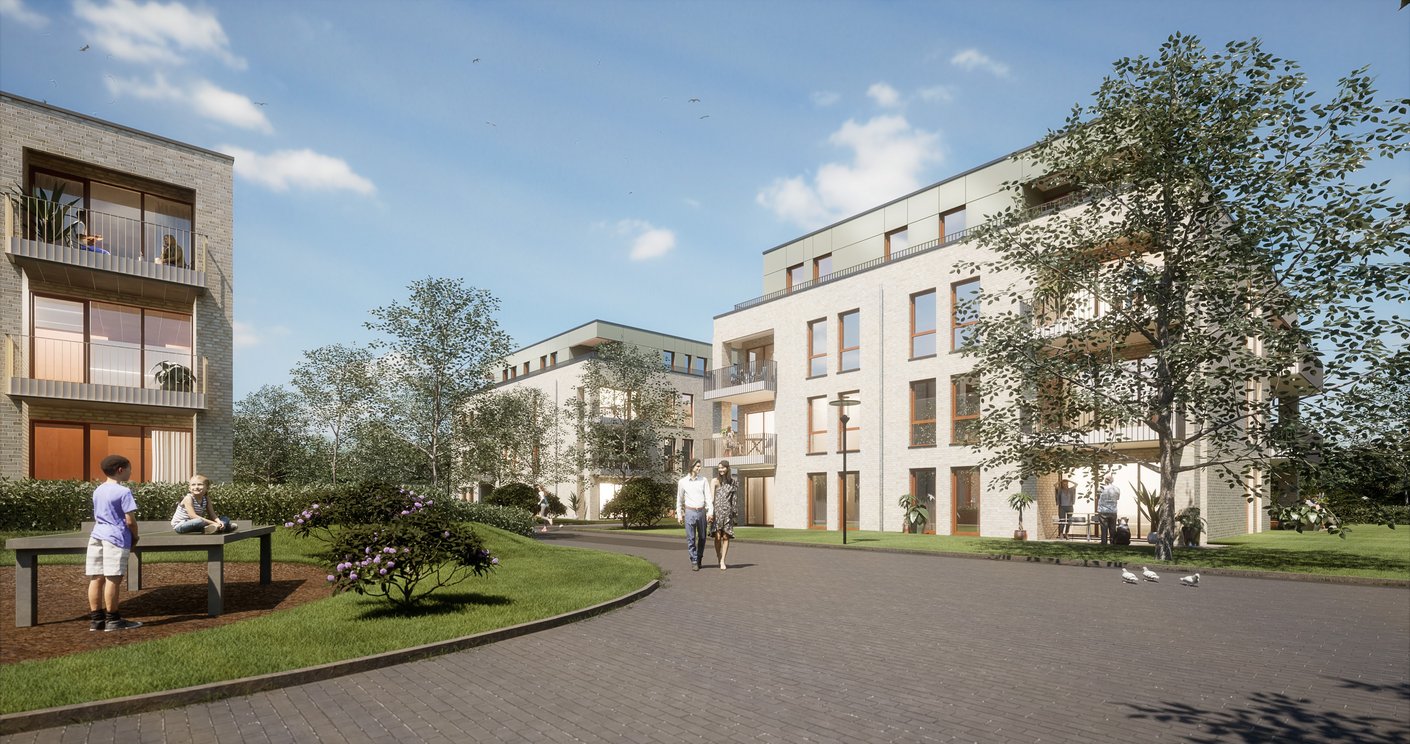
The area where this is taking place is also geographically quite unique: the Helleheide neighborhood. It is located on the site of the former air force base in Oldenburg and is part of the land acquired by the city, where a new district is being developed.
As part of a research project, the Helleheide neighborhood was deliberately developed as a real-world laboratory where additional projects can be initiated and implemented, and research findings can be tested with the greatest possible participation of residents. These are ideal conditions that the TEN.efzn research platform “Trustworthy digitalization of safety-critical energy systems” can draw upon for its planned sociological field research.
However, since this approach also has its limitations, the researchers are simultaneously conducting simulations in specialized laboratories operated by their project partners. After all, the researchers cannot intervene in the neighborhood while it is in operation and force people to change their behavior in order to see how that affects the grid and the entire energy system. This is where the simulations and lab tests come in, some of which are being upgraded specifically for the TEN.efzn project.
“The data collected from the field will help us achieve a more accurate representation of reality in our simulations as well—and we’re supporting these processes with sound research data management from the very beginning,” Astrid Nieße explains.
“Our great hope is that with this research platform, we will not only gain sound insights into the prerequisites and mechanisms for building trust in the energy system, but also develop concrete approaches for their implementation,” says Sebastian Lehnhoff: “Our goal is to design scientific concepts in such a way that they can be translated into technical applications, societal processes, and economic models—in energy management, in operational concepts, and ultimately in people’s everyday lives.”